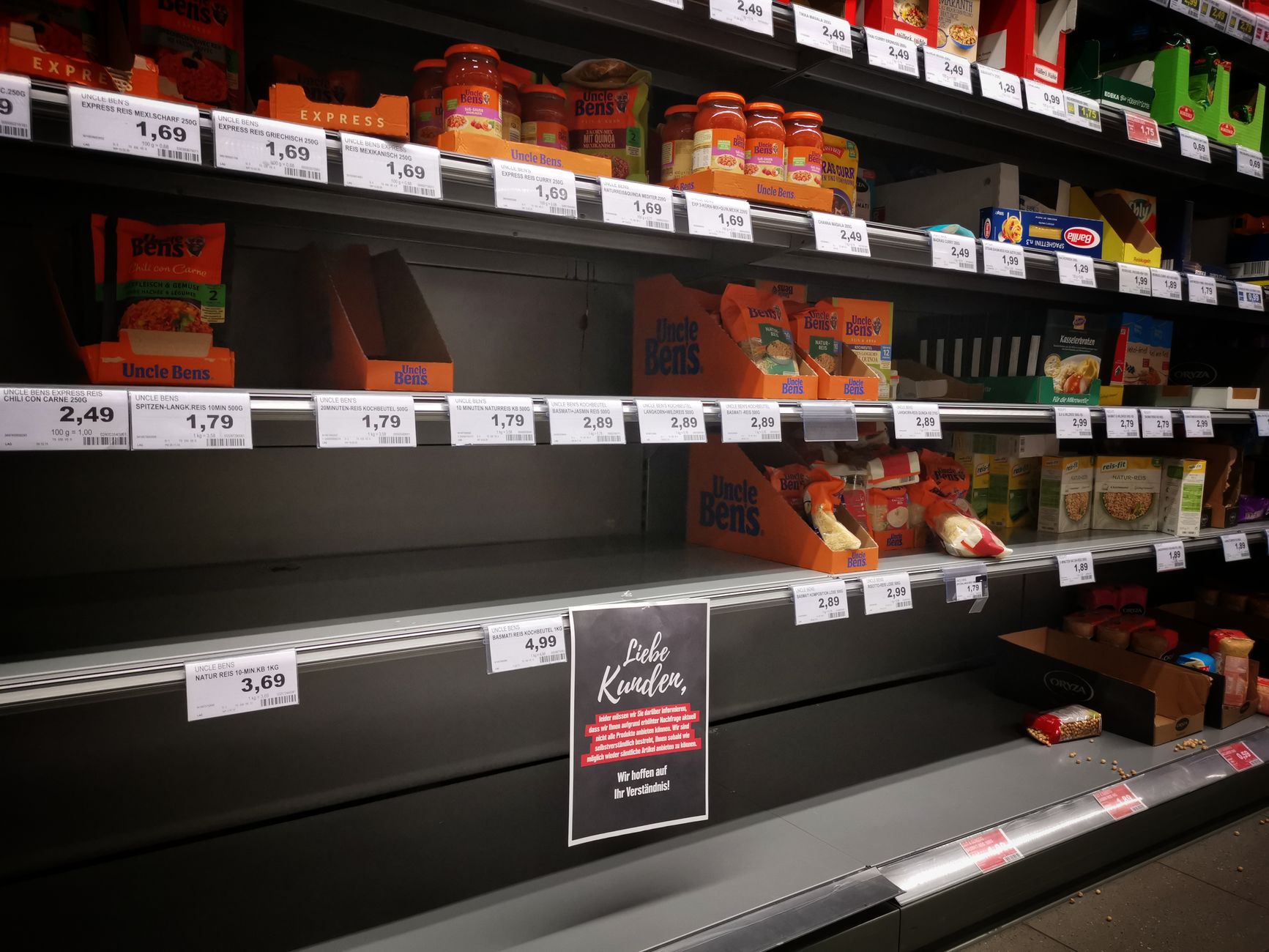
Product Becomes Unavailable: A Comprehensive Guide for Sellers

product becomes unavailable is a challenge that every seller faces at some point. Whether it’s due to supply chain disruptions, unexpected demand, or production delays, knowing how to respond can make the difference between losing customers and building loyalty. In this guide, we’ll walk you through proven strategies to manage the situation effectively, protect your rankings, and even turn a potential negative into a positive.
When a product becomes unavailable, panic is a natural reaction. But with the right approach, you can minimize damage and keep your business running smoothly. Let’s dive into the steps you should take immediately, and the long-term strategies that will set you up for success.
Immediate Actions When a Product Becomes Unavailable
The moment you realize a product is out of stock, you need to act fast. Customers may already be visiting your listing, and if they see an “unavailable” message without any explanation, they’ll likely bounce and never return. Here’s what to do right away.
Update Your Listings Promptly
First, mark the product as out of stock on all platforms. This prevents new orders that you can’t fulfill. If you’re using an e-commerce platform, set the inventory to zero or use the “unavailable” status. But don’t just leave it at that — add a clear message like “Currently unavailable — check back soon” or “Out of stock, expected back on [date]”. This manages customer expectations and reduces frustration.
If you sell on multiple channels, update each one consistently. Inconsistency can lead to overselling, which damages your seller rating and trust. For more on managing inventory levels, see our guide on managing low-stock products.
Communicate with Existing Customers
If you have pending orders for the unavailable product, reach out to those customers immediately. Apologize for the inconvenience and offer options: a full refund, a substitute product, or a delayed shipment with a discount. Transparency goes a long way. Most customers appreciate proactive communication and are more likely to shop with you again if you handle the situation professionally.
Use email, SMS, or your platform’s messaging system to get in touch. Personalize the message as much as possible — generic apologies feel insincere. A simple “We’re sorry, but the item you ordered is temporarily unavailable. Here’s what we can do…” works well.
Protecting Your Search Rankings and Traffic
One of the biggest fears when a product becomes unavailable is losing hard-earned search rankings. If your product page disappears or shows an error, search engines may drop it from their index, and you’ll lose organic traffic. But you can mitigate this.
Keep the Page Live with a Clear Message
Instead of deleting the page or redirecting it, keep it live and update the content to reflect the unavailability. Add a notice at the top: “This product is currently unavailable. Sign up to be notified when it’s back in stock.” This tells search engines that the page is still relevant and valuable. You can also add related products or alternatives to keep visitors engaged.
If the product is discontinued permanently, then you should redirect the page to a similar product or category page. Use a 301 redirect to preserve link equity. But if it’s a temporary stockout, avoid redirects — they can confuse search engines and customers alike.
Use Structured Data to Indicate Availability
Schema markup can help search engines understand that the product is temporarily out of stock. Use the “availability” property in your product schema and set it to “OutOfStock” or “PreOrder” if you’re taking pre-orders. This can prevent your listing from being penalized and may even show a “out of stock” label in search results, which sets accurate expectations.
For more on maintaining visibility during stock issues, check out our article on free shipping profitability, which discusses how shipping policies impact seller success.
Turning Unavailability into an Opportunity
While a product becoming unavailable is often seen as a setback, it can also be a chance to strengthen your brand and build anticipation. Here’s how to make the most of it.
Create a Waiting List or Pre-Order Option
If you know the product will be back soon, set up a waiting list. Collect email addresses from interested customers and notify them as soon as it’s available. This not only secures future sales but also gives you a sense of demand. You can even offer a small discount to those on the list as a thank-you for their patience.
Pre-orders are another option if you have a confirmed restock date. Customers pay in advance, and you ship when the product arrives. This generates cash flow and locks in sales. Just be sure to communicate the expected timeline clearly to avoid chargebacks.
Promote Alternative Products
If the unavailable product is a bestseller, use it as a gateway to promote similar items. Update the product page with a section like “You might also like” and feature in-stock alternatives. This keeps customers on your site and increases the chances of a sale. You can also send an email to past buyers of the unavailable product, suggesting complementary items they might need.
Another idea: bundle the unavailable product with a related item and offer it as a pre-order bundle. This adds value and encourages customers to wait.
Long-Term Strategies to Prevent Future Stockouts
While you can’t predict every disruption, you can put systems in place to reduce the frequency and impact of stockouts. Here are some best practices.
Improve Inventory Forecasting
Use historical sales data and market trends to forecast demand more accurately. Consider seasonality, promotions, and external factors like holidays. Invest in inventory management software that alerts you when stock is low and helps you reorder at the right time. Regularly review your supplier relationships and have backup suppliers to avoid single points of failure.
Diversify Your Supply Chain
Relying on one supplier or one region is risky. Diversify your sourcing to spread risk. If one supplier faces a disruption, you can pivot to another. Also, consider holding safety stock for your top-selling items — a buffer that covers unexpected demand spikes or delays.
Monitor and Respond to Reviews
When a product becomes unavailable, customers may leave negative reviews. Monitor your reviews and respond promptly. Acknowledge the issue, apologize, and explain what you’re doing to fix it. This shows other potential customers that you care and are proactive. Often, a thoughtful response can turn a negative review into a positive impression.
Legal and Financial Considerations
Depending on your location and the platform you sell on, there may be legal obligations when a product becomes unavailable. For example, if you’ve already charged customers, you may need to issue refunds promptly. Familiarize yourself with consumer protection laws in your area. Also, review your terms of service to ensure you’re covered in case of stockouts.
Financially, stockouts can impact your cash flow. Plan for contingencies by setting aside an emergency fund or securing a line of credit. If you’re facing financial difficulties due to widespread stock issues, consulting a financial advisor could help. Our guide on financial advisors near me offers tips on finding professional advice.
Final Steps to Keep Your Business Resilient
When a product becomes unavailable, your response can define your reputation. By acting quickly, communicating clearly, and using the downtime to engage customers, you can turn a challenge into a loyalty-building moment. Remember to keep your listings accurate, protect your SEO, and always have a plan B for your supply chain.
Now it’s your turn: review your inventory and create a stockout action plan today. If you need help managing low-stock situations, revisit our proven strategies for low-stock products. And if you’re concerned about shipping costs eating into profits, check out our insights on free shipping profitability. With the right approach, you can navigate unavailability smoothly and come back stronger.