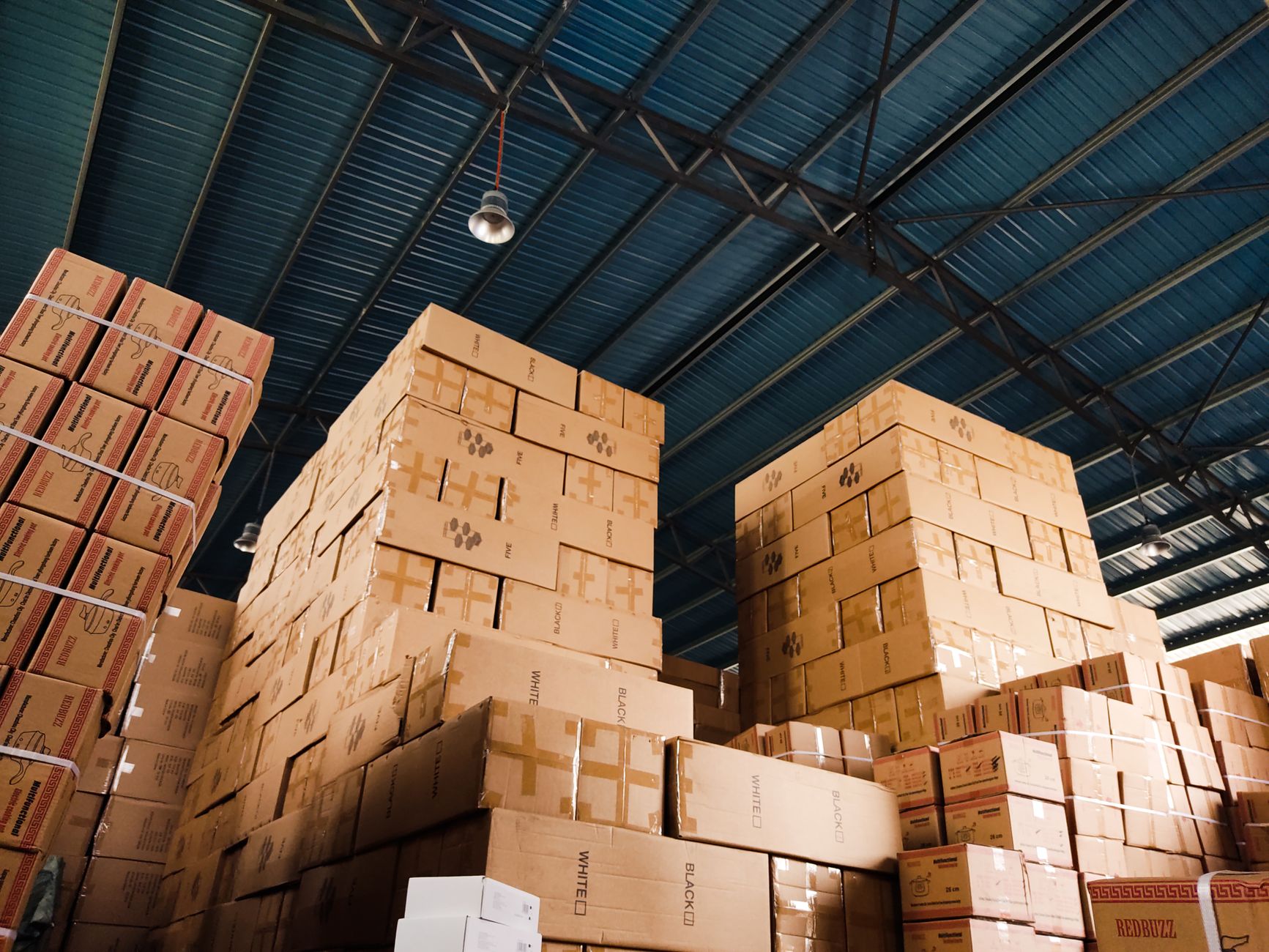
Delayed Supplier Shipments: A Comprehensive Guide for Sellers

delayed supplier shipments can feel like a nightmare for any e-commerce seller. You’ve promised your customers a delivery date, your ads are running, and suddenly your supplier informs you that your order won’t arrive on time. This situation is more common than you might think, and how you handle it can make or break your reputation. In this friendly guide, we’ll walk you through proven strategies to manage delayed supplier shipments, keep your customers happy, and protect your business.
First, let’s acknowledge the frustration. You’re not alone—supply chain disruptions affect sellers of all sizes. Whether it’s a global logistics issue, a production hiccup, or a simple miscommunication, the key is to act quickly and transparently. By the end of this article, you’ll have a toolkit to turn a potential crisis into an opportunity to build trust.
Why Delayed Supplier Shipments Happen and How to Spot Them Early
Understanding the root causes of delayed supplier shipments is the first step to mitigating their impact. Common reasons include raw material shortages, transportation bottlenecks, customs delays, and even natural disasters. As a seller, you can’t control these factors, but you can monitor your supply chain closely to catch delays before they become critical.
Common Causes of Supplier Delays
- Production issues: Factory breakdowns, labor strikes, or quality control problems.
- Logistics bottlenecks: Port congestion, truck shortages, or inclement weather.
- Customs and compliance: Missing paperwork or regulatory holds.
- Communication gaps: Your supplier may not proactively inform you of issues.
To spot delays early, maintain regular contact with your suppliers. Ask for production updates and tracking information. Use supply chain management software if possible. The earlier you know, the more options you have.
Proactive Strategies to Handle Delayed Supplier Shipments
When you learn that your supplier shipment is delayed, don’t panic. Instead, follow these proactive steps to minimize the fallout.
1. Communicate with Your Supplier Immediately
Reach out to your supplier to get a clear picture: How long is the delay? What caused it? Can they expedite shipping? Sometimes, paying a little extra for air freight can save a sale. Also, discuss future orders—maybe you can adjust quantities or timelines.
2. Assess Your Inventory and Prioritize
Check your current stock levels. Which products are affected? How long will your existing inventory last? If you’re running low, you may need to manage low-stock products carefully to avoid stockouts. Consider allocating available stock to your best-selling channels or loyal customers first.
3. Adjust Your Marketing and Sales Channels
If you know a product will be out of stock, pause ads for that item. Update your product listings to reflect extended delivery times. You might also promote alternative products that are in stock. This keeps revenue flowing while you wait for the delayed shipment.
Communicating with Customers About Delayed Supplier Shipments
Transparency is your best friend when dealing with delayed supplier shipments. Customers appreciate honesty, and a proactive apology can turn a negative experience into a positive one.
How to Craft a Customer-Friendly Update
- Be prompt: Notify customers as soon as you know about the delay.
- Be specific: Give a new estimated delivery date if possible.
- Offer options: Let customers choose to wait, cancel, or receive a discount.
- Apologize sincerely: A genuine apology goes a long way.
You can also use this as an opportunity to highlight your customer service. For example, if a product becomes unavailable, you can guide customers to similar items. Our article on what sellers must do when a product becomes unavailable offers more tips.
Long-Term Solutions to Prevent Future Delays
While you can’t eliminate all delays, you can build a more resilient supply chain. Here are some long-term strategies.
Diversify Your Suppliers
Relying on a single supplier is risky. Develop relationships with backup suppliers, even if you don’t use them regularly. This way, if one fails, you have alternatives.
Improve Inventory Forecasting
Use historical data and market trends to predict demand more accurately. Keep safety stock for critical items. Consider using a just-in-case model for your bestsellers.
Invest in Supply Chain Visibility
Tools that provide real-time tracking and alerts can help you anticipate delays. Many logistics platforms offer integration with supplier systems.
Turning Delays into Opportunities
Believe it or not, a delayed supplier shipment can be a chance to strengthen your brand. How? By showing customers that you handle challenges with grace and professionalism. When you communicate clearly and offer solutions, you build trust. Customers remember how you made them feel during a problem, not just the problem itself.
Additionally, use the downtime to optimize other aspects of your business. Maybe you can improve your product descriptions, work on SEO, or plan a future promotion. For instance, if you’re considering offering free shipping, check out our guide on free shipping profitability to ensure it’s a smart move.
So, the next time you face delayed supplier shipments, remember: you have the power to turn things around. Stay calm, communicate openly, and act swiftly. Your customers will thank you, and your business will emerge stronger. Ready to tackle your next supply chain challenge? Start by reviewing your supplier contracts and setting up regular check-ins. Your future self will thank you.