
Understanding the True Cost of Free Shipping
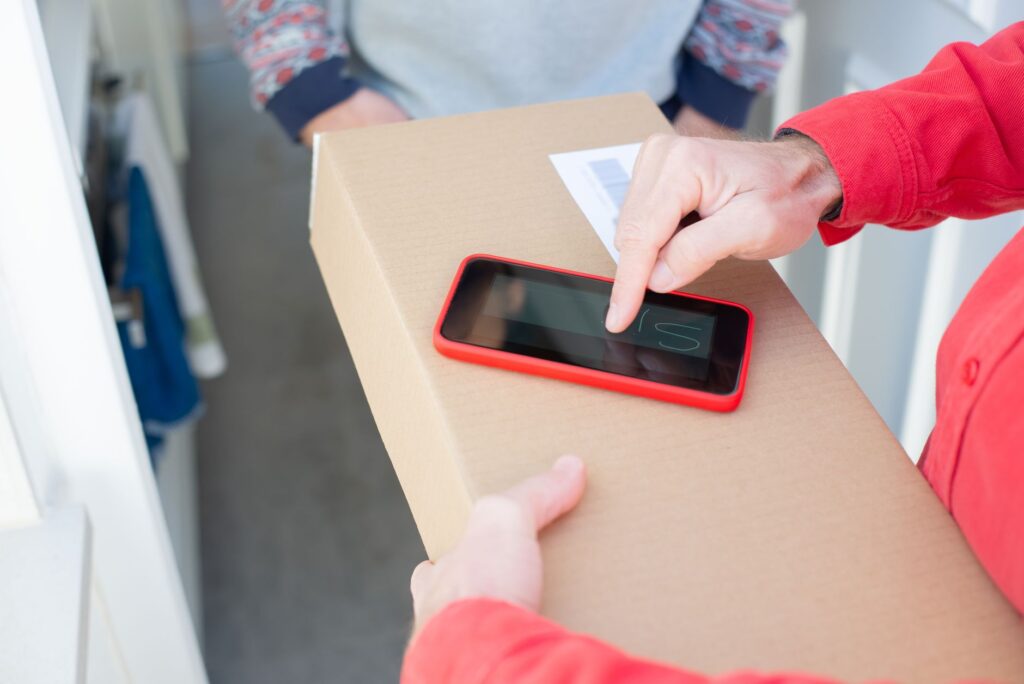
free shipping profitability is a critical concern for online sellers, as offering this perk can significantly impact margins. While customers love the idea of no shipping fees, absorbing these costs can erode profits if not managed carefully. This guide explores how free shipping affects seller profitability and provides strategies to maintain a healthy bottom line.
Direct and Hidden Costs
When you offer free shipping, you typically pay for the delivery out of your own pocket. This includes not only the carrier fees but also packaging, handling, and potential returns. These costs can vary widely based on package weight, dimensions, and destination. Additionally, some sellers raise product prices to cover shipping, which might deter price-sensitive customers.
However, the financial impact goes beyond the obvious. Free shipping can lead to higher cart abandonment if thresholds are set too high, or it may encourage more returns as customers feel less committed to their purchases. Understanding these nuances is essential for assessing free shipping profitability.
How Free Shipping Affects Seller Profitability
Free shipping can have both positive and negative effects on profitability. On one hand, it can increase conversion rates and average order value, as customers are more likely to complete a purchase when they see no extra fees. On the other hand, if not carefully implemented, it can slash margins.
Positive Impacts on Sales
Offering free shipping can be a powerful marketing tool. It reduces friction at checkout, often leading to higher conversion rates. Many customers abandon carts when they see unexpected shipping costs, so eliminating this barrier can boost sales. Additionally, free shipping can increase customer loyalty and encourage repeat purchases, which contributes to long-term profitability.
Negative Impacts on Margins
The most obvious downside is that you absorb shipping costs, which directly reduces your profit per order. For low-margin products, this can be devastating. Moreover, customers may perceive free shipping as a baseline expectation, making it difficult to charge for shipping later. If competitors offer free shipping, you may be forced to match them, further squeezing your margins.
Strategies to Maintain Profitability with Free Shipping
To ensure free shipping profitability, sellers must adopt smart strategies that balance customer satisfaction with financial health. Here are some proven approaches:
Set a Minimum Order Threshold
Encourage customers to spend more by setting a minimum order value for free shipping. For example, offer free shipping on orders over $50. This not only covers your shipping costs but also increases average order value, boosting overall revenue.
Adjust Product Pricing
Incorporate shipping costs into your product prices. By slightly increasing prices, you can offset the expense of free shipping. However, be cautious not to price yourself out of the market. Conduct competitive analysis to find a balance.
Optimize Shipping Logistics
Negotiate with carriers for better rates, use flat-rate shipping options, or consider regional carriers. Efficient packaging can also reduce dimensional weight charges. Streamlining your fulfillment process can significantly lower shipping costs.
Use Free Shipping as a Conditional Offer
Instead of offering free shipping on all orders, make it a reward for loyalty program members or a temporary promotion. This creates a sense of urgency and exclusivity, encouraging purchases without permanently eating into profits.
Additionally, consider offering free shipping only on select high-margin products or during promotional periods. This allows you to test its impact on profitability without committing fully.
Another effective tactic is to display the original shipping cost crossed out, emphasizing the savings customers receive. This perceived value can justify the higher product prices.
It’s also crucial to monitor your metrics closely. Track conversion rates, average order value, and profit margins before and after implementing free shipping. This data will guide your decisions and help you adjust strategies as needed.
For sellers in specialized niches, such as those offering pet food delivery or grocery delivery services, free shipping can be a significant differentiator. However, these industries often have tight margins, making cost management even more critical.
Ultimately, free shipping profitability is not about eliminating shipping costs but about strategically managing them to enhance overall business performance. By understanding your costs, setting clear thresholds, and continuously optimizing, you can turn free shipping into a competitive advantage without sacrificing your bottom line.
If you’re looking to improve your ecommerce operations, consider exploring other service guides like courier and delivery services to find reliable partners that offer competitive rates.
Ready to boost your sales with free shipping while protecting your profits? Start by analyzing your shipping data and implementing one of these strategies today. Your customers will appreciate the offer, and your profit margins will thank you.