
Why Every Pet Parent Needs to Know About an Emergency Pet Clinic
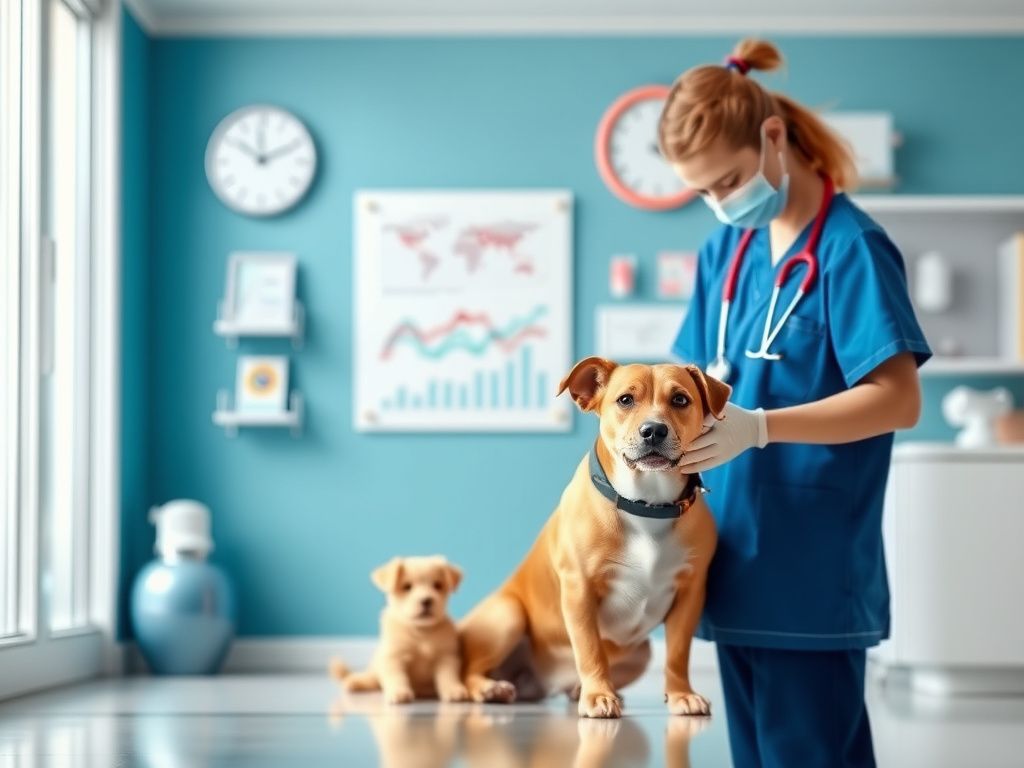
Emergency pet clinic situations can be terrifying. One moment your dog is happily chasing a ball, the next they are limping or worse. Knowing where to turn for immediate, professional help is not just smart—it is essential for every pet owner. This guide will walk you through everything you need to know about finding and using an emergency pet clinic, so you can stay calm and act fast when it matters most.
Whether you have a senior cat with a sudden illness or a puppy who swallowed something they shouldn’t have, having a trusted emergency pet clinic in your contacts can make all the difference. We will cover what to expect, how to prepare, and how to choose the best facility for your beloved companion.
In the following sections, we will explore the signs that warrant a trip to the emergency vet, what services these clinics typically offer, and how to make the experience less stressful for both you and your pet. You will also discover how regular checkups at a veterinarian near me can help prevent emergencies before they start.
What Exactly Is an Emergency Pet Clinic?
An emergency pet clinic is a veterinary facility specifically designed to handle urgent and life-threatening medical situations. Unlike your regular vet, which may operate during standard business hours, these clinics are often open 24/7, including weekends and holidays. They are equipped with advanced diagnostic tools, surgical suites, and intensive care units to stabilize and treat critically ill or injured animals.
These clinics are staffed by veterinarians and veterinary technicians who specialize in emergency medicine. They are trained to make rapid decisions and perform life-saving procedures. While your regular veterinarian can handle many health issues, an emergency pet clinic is the go-to place for situations that cannot wait until the next morning.
It is important to note that not all emergency clinics are the same. Some are standalone facilities, while others are part of larger veterinary hospitals. The key is to find one that is conveniently located and offers the level of care your pet may need. For ongoing wellness and preventive care, you can also explore pet training services to keep your pet healthy and well-behaved.
When Should You Visit an Emergency Pet Clinic?
Knowing when to rush to an emergency pet clinic can be tricky. Some signs are obvious, like severe bleeding or broken bones, but others are more subtle. Here are some common scenarios that require immediate veterinary attention:
- Difficulty breathing: Labored breathing, choking, or blue gums are red flags.
- Trauma: Being hit by a car, falling from a height, or any serious injury.
- Poisoning: Ingesting toxic foods, plants, chemicals, or medications.
- Seizures: Especially if they last more than a few minutes or occur repeatedly.
- Severe vomiting or diarrhea: Especially if there is blood or your pet becomes lethargic.
- Inability to urinate or defecate: This can indicate a blockage, which is life-threatening.
- Sudden collapse or unconsciousness.
- Eye injuries: Scratches, swelling, or sudden blindness.
- Heatstroke: Excessive panting, drooling, or weakness after exposure to high temperatures.
If you are ever unsure, it is better to err on the side of caution. Call the emergency pet clinic for advice—they can help you decide if your pet needs to be seen. Remember, prompt action can save your pet’s life.
What Services Does an Emergency Pet Clinic Offer?
An emergency pet clinic provides a wide range of urgent medical services. These are not the same as routine checkups or vaccinations, which are better suited for your regular vet. Here is what you can typically expect:
Diagnostic Imaging and Laboratory Tests
Rapid diagnosis is critical in emergencies. Clinics have in-house X-ray, ultrasound, and blood testing equipment to quickly identify internal injuries, infections, or organ failure. This allows the veterinary team to start treatment without delay.
Emergency Surgery
Many emergency pet clinics have fully equipped surgical suites for procedures like fracture repair, foreign body removal, or wound management. They can stabilize your pet and perform necessary operations around the clock.
Intensive Care and Monitoring
Pets with critical conditions may need round-the-clock monitoring. Emergency clinics provide oxygen therapy, intravenous fluids, pain management, and constant observation by trained staff.
Pharmacy and Prescriptions
Most clinics stock a full range of emergency medications, including antibiotics, pain relievers, and antidotes for poisons. You can get the medicine your pet needs on-site, saving precious time.
For non-emergency needs, such as routine grooming or boarding, you can check pet boarding services or dog walking services to keep your pet happy and healthy every day.
How to Choose the Best Emergency Pet Clinic for Your Furry Friend
Not all emergency pet clinics are created equal. When your pet’s life is on the line, you want the best care possible. Here are some factors to consider when making your choice:
- Location and hours: Look for a clinic that is close to your home and open 24/7. Every minute counts in an emergency.
- Staff qualifications: Check if the veterinarians are board-certified in emergency and critical care. This ensures they have advanced training.
- Facilities and equipment: A good clinic should have advanced diagnostic tools, a surgical suite, and an ICU. Ask about their capabilities during a non-emergency visit.
- Communication: The staff should be compassionate and keep you informed about your pet’s condition. Clear communication reduces stress.
- Cost and payment options: Emergency care can be expensive. Ask about payment plans or pet insurance acceptance beforehand.
It is a wise idea to visit the clinic before an emergency happens. Take a tour, meet the staff, and ask questions. That way, you will feel more confident when a crisis occurs. Also, keep their contact information in your phone and on your refrigerator.
What to Do When You Arrive at an Emergency Pet Clinic
Arriving at an emergency pet clinic can be overwhelming, but staying calm helps both you and your pet. Here is a step-by-step guide to make the process smoother:
- Call ahead if possible: Let them know you are coming. They can prepare for your arrival and give you instructions.
- Bring your pet’s medical records: If you have them, bring vaccination history, medication list, and any recent test results.
- Keep your pet safe: Use a leash or carrier. Injured or scared animals may act unpredictably.
- Provide a clear history: Tell the staff exactly what happened, when it started, and any symptoms you noticed. Be honest and thorough.
- Ask questions: Do not hesitate to ask about diagnosis, treatment options, and costs. You have the right to understand what is happening.
- Take care of yourself: Breathe, and if possible, bring a friend for support. Your pet needs you to be strong.
Remember, the staff at the emergency pet clinic are there to help. They see scared pet parents every day and are trained to handle the situation with empathy and expertise.
How to Prevent Pet Emergencies: Proactive Tips for Pet Parents
While not all emergencies can be avoided, many can be prevented with a little foresight. Here are some tips to reduce the risk of needing an emergency pet clinic:
- Pet-proof your home: Keep toxic foods (chocolate, grapes, xylitol), plants (lilies, sago palm), and small objects out of reach.
- Supervise outdoor time: Watch your pet in the yard and on walks. Avoid areas with traffic or aggressive animals.
- Maintain a healthy weight: Obesity contributes to many health problems, including diabetes and joint issues.
- Regular vet checkups: Annual exams catch problems early. A veterinarian near me can help you keep your pet in top shape.
- Keep vaccinations current: Preventable diseases like parvovirus and rabies can cause life-threatening emergencies.
- Know your pet’s normal: Knowing their usual behavior, appetite, and bathroom habits helps you spot changes early.
By being proactive, you can give your pet a longer, healthier life and reduce the chances of a scary trip to the emergency pet clinic.
Final Thoughts on Emergency Pet Clinic Preparedness
Having a plan for pet emergencies is one of the most responsible things you can do as a pet owner. An emergency pet clinic is a vital resource, but knowing how to use it effectively is key. From recognizing warning signs to choosing the right facility, every step you take now can make a crisis less chaotic. Keep your vet’s number handy, learn basic pet first aid, and always trust your instincts—if something feels wrong, get help. Your pet depends on you, and with the right knowledge, you can be their best advocate. Start today by researching local emergency clinics and scheduling a routine checkup for your furry family member.