Vehicle Inspection Centers: Your Proven Guide to a Safe and Reliable Car

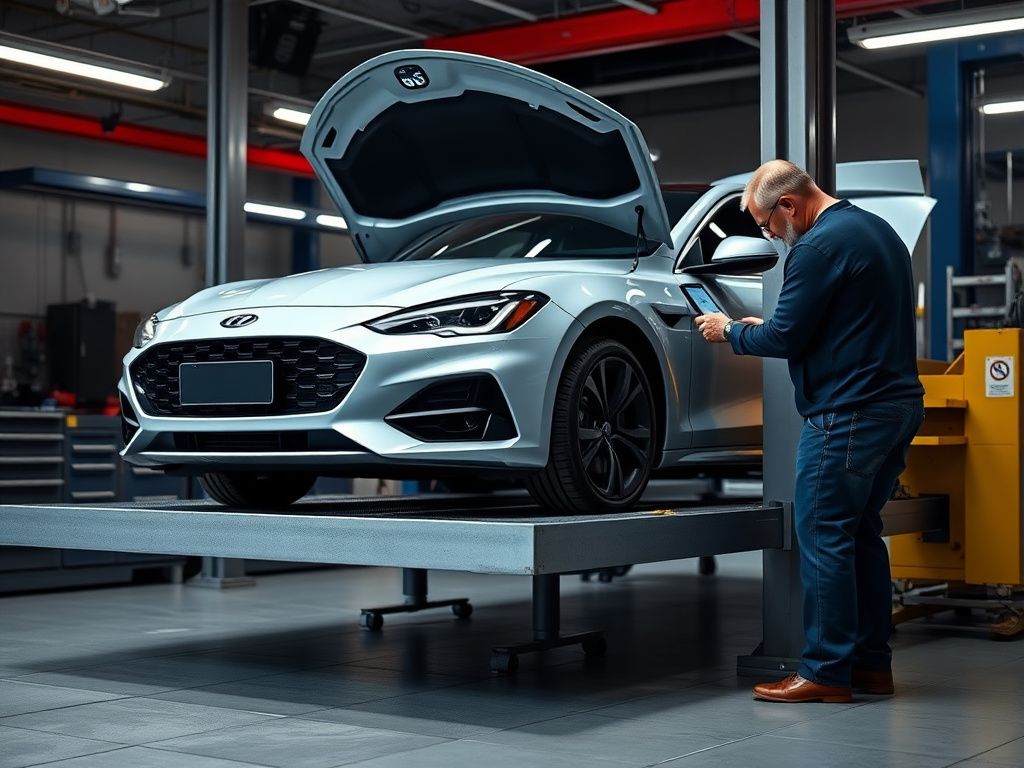
Vehicle inspection centers are your go-to places for ensuring your car meets safety and emissions standards. Whether you’re renewing your registration or buying a used car, a thorough inspection can save you from costly surprises. In this guide, we’ll walk you through everything you need to know about these essential services, from what to expect during an inspection to how to prepare your vehicle. By the end, you’ll feel confident and ready for your next appointment.
Think of a vehicle inspection as a health checkup for your car. Just as you visit a doctor for regular checkups, your vehicle needs periodic evaluations to stay in top shape. These inspections can uncover hidden issues like worn brakes, leaking fluids, or faulty lights—problems that might otherwise lead to breakdowns or accidents. With the help of professional inspectors, you’ll get a clear picture of your car’s condition and any necessary repairs.
Whether you’re a new driver or a seasoned car owner, understanding the inspection process can make a big difference. In the sections below, we’ll cover the benefits of regular inspections, how to pick the right center, and tips for a smooth experience. Plus, we’ll share useful resources from our site to help you with other car care needs.
Why Regular Inspections at Vehicle Inspection Centers Matter
Regular visits to vehicle inspection centers are more than just a legal requirement—they’re a smart investment in your safety and financial well-being. Here are some key reasons why you should schedule inspections consistently.
Safety First: Protecting You and Your Passengers
An inspection checks critical components like brakes, tires, steering, and suspension. If any part is worn or damaged, the inspector will flag it, giving you a chance to fix it before it causes an accident. For example, a simple brake pad replacement can prevent a dangerous stopping failure. If you need help with brakes or other repairs, our Car Repair Shops Near Me: Proven Guide to Top Local can connect you with trusted mechanics.
Emissions and Environmental Impact
Many regions require emissions testing to reduce air pollution. A failing emissions system can harm the environment and lead to expensive fines. Regular inspections help you catch issues early, like a faulty oxygen sensor or catalytic converter. Keeping your car clean also improves fuel efficiency, saving you money at the pump.
Resale Value and Peace of Mind
When you sell your car, a recent inspection report can boost buyer confidence. It shows that you’ve maintained the vehicle properly, which can increase its resale value. Plus, knowing your car is in good shape gives you peace of mind every time you hit the road.
What to Expect During Your Visit to Vehicle Inspection Centers
Walking into vehicle inspection centers for the first time can feel intimidating, but it’s actually a straightforward process. Here’s a breakdown of what typically happens.
Step-by-Step Inspection Checklist
Most inspections follow a standard checklist. The inspector will examine:
- Exterior lights and signals: Headlights, taillights, turn signals, and brake lights.
- Tires: Tread depth, pressure, and overall condition.
- Brakes: Pads, rotors, lines, and fluid levels.
- Steering and suspension: Shocks, struts, and alignment.
- Engine and transmission: Fluid levels, belts, and hoses.
- Emissions system: Check engine light, catalytic converter, and exhaust.
- Safety equipment: Seat belts, airbags, and horn.
If any item fails, the inspector will explain the issue and recommend repairs. Some centers offer on-site repairs, but you’re free to take your car elsewhere. For example, if you need a new battery, check out our Battery Replacement Service: Your Friendly Guide to for expert advice.
How Long Does an Inspection Take?
A typical inspection lasts between 30 minutes and an hour, depending on the center’s workload and your vehicle’s condition. It’s a good idea to call ahead and make an appointment to avoid long waits. Many centers now offer online booking for added convenience.
How to Choose the Right Vehicle Inspection Center
Not all vehicle inspection centers are created equal. To get the best service, consider these factors when making your choice.
Certifications and Reputation
Look for centers that are certified by your state or local government. Certified inspectors have undergone training and follow strict guidelines. Read online reviews and ask friends for recommendations. A center with a strong reputation is more likely to provide honest, thorough inspections.
Services Offered
Some centers only do inspections, while others offer additional services like oil changes, tire rotations, and brake repairs. Choosing a full-service center can save you time if your car needs follow-up work. For instance, if your inspection reveals worn tires, you can schedule a replacement right away. Our Tire Replacement Services: Proven Guide to Safe Driving can help you find the best options.
Pricing and Transparency
Inspection fees vary, but they’re usually affordable—often between $30 and $100. Be wary of centers that charge extra for unnecessary services. A trustworthy center will explain all costs upfront and provide a written estimate before any work begins.
Tips for a Smooth Inspection Experience
To make your visit to vehicle inspection centers as hassle-free as possible, follow these simple tips.
Prepare Your Car Beforehand
Check your owner’s manual for any specific requirements. Make sure your gas tank is at least half full (needed for emissions testing). Also, remove any clutter from the interior and trunk—inspectors need access to all areas. A quick wash can also help you spot potential issues like rust or leaks.
Bring Necessary Documents
Most centers require your vehicle registration and proof of insurance. Some may also ask for a previous inspection report if you’re getting a retest. Having these documents ready speeds up the process.
Ask Questions
Don’t hesitate to ask the inspector about anything you don’t understand. A good inspector will explain their findings in simple terms and offer advice on maintenance. This is also a great opportunity to learn more about your car’s needs.
Beyond Inspections: Keeping Your Car in Top Shape
An inspection is just one part of overall car care. To extend your vehicle’s life and maintain its performance, consider regular maintenance like oil changes, detailing, and tire care. For example, our Oil Change Service: Proven Guide to Engine Health explains how fresh oil protects your engine. Similarly, our Car Detailing Services: Proven Guide to a Showroom can help you keep your car looking pristine.
Remember, a well-maintained car is less likely to fail an inspection. By staying proactive, you’ll save money on repairs and avoid unexpected breakdowns. And if you ever need emergency assistance, our Towing Service Near Me: Proven Guide to Fast Help is just a click away.
Ready to schedule your next inspection? Use our directory to find trusted vehicle inspection centers near you, and drive with confidence knowing your car is safe and reliable. Your safety is worth every minute spent on preventive care.